Building a Denim Tears Capsule Wardrobe Without Overspending
Rather than reaching for a shopping list, start with a situation. You have roughly $1,200 to allocate across the coming twelve months, you rate everything Tremaine Emory has built since founding Denim Tears in 2019, and you do not want a wardrobe of pieces that only cohere in one photograph. Imagining that budget covers a full collection is exactly how people end up with four graphic tees and nothing to wear them with. Allocated with care, it yields a compact set of garments that spans most of a year while still looking deliberate. The plan below casts the label as one component in a working wardrobe, not the whole of it. Every price is a 2026 market estimate and a range, not a quote, because release, size and channel all move the number.
The Capsule Idea When a Single Piece Costs $300
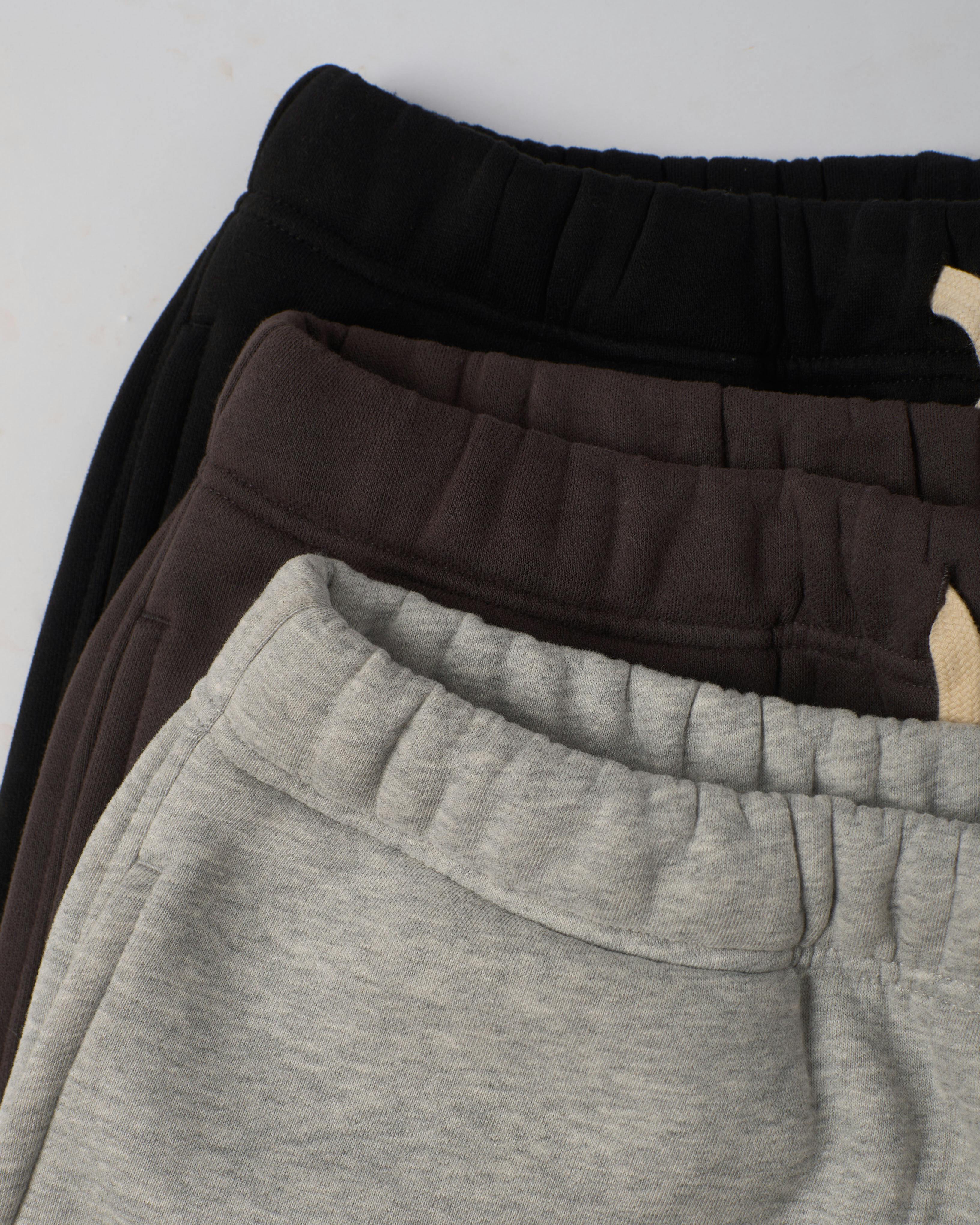
A capsule wardrobe is usually defined as a small set of interchangeable garments, but at this price tier the definition has to be sharpened. What it means here is a small core of branded anchor pieces held up by plain, well-chosen basics that cost nowhere near as much. Roughly one branded piece to three or four unbranded ones is the ratio that works for most people. The reason for the ratio is that the cotton wreath graphic carries a look on its own rather than competing with a second loud piece. It also protects you from the most common mistake in this category, which is buying statement items that cancel each other out. Your budget buys focal points instead of coverage, so let inexpensive staples handle the coverage.
Cap the Spend Before the Wishlist Exists
Fix the total figure first and treat it as fixed, because wishlists expand to consume whatever budget exists. Note the figure down, split it across two or three planned purchases, and accept that anything outside that plan waits until next year. A useful discipline is to hold back around 15 percent of the total as a reserve for the piece you never planned on wanting. If the size is wrong then the loss https://denim-tear-hoodies.com/ is total rather than partial, which makes sizing as much a financial issue as an aesthetic one. Factor in the small costs people forget, including shipping, any import duty, and perhaps a hem alteration on jeans. What follows is three realistic starting points, chosen by what you can actually spend without strain.
- Around $400 to $600: a lone anchor piece with basics, typically a tee and one heavier item
- Around $1,000 to $1,300: a three-piece build that spans warm and cold weather
- Around $1,800 and above: a four-piece build built around jeans and a second layer
Buy One Anchor, Not Three
The anchor is the piece the rest of the capsule is arranged around, and getting it wrong wastes most of the budget. For most buyers the anchor is a denim tears hoodie, estimated at roughly $250 to $400 in 2026, since it handles three seasons and carries an entire outfit alone. For people who live somewhere warm, the anchor is more sensibly a tee at roughly $100 to $200, leaving room for two supporting pieces. For anyone who already owns plenty of layers, denim tears jeans built on the Levi’s 501 pattern work better as the anchor at roughly $300 to $500, since a distinctive bottom half reshapes everything worn above it. Look at the weather you actually live in and the half of your body that needs the most help, then choose. Every time, one anchor bought well beats two bought hastily.
A Sample Build: Around $1,200 Across a Year
Spreading purchases over twelve months does two useful things at once. It eases the cost across your budget, and it gives you time to wear each piece before committing to the next one, which is how you learn what you actually reach for. By design, the sequence below starts cheap, letting the smallest purchase teach you how the brand’s cuts sit on you before a larger sum is at stake. Across the four items the midpoints land near $1,150, and the full range runs roughly $830 to $1,450 depending on where each piece is sourced. Bear in mind that the fourth purchase is the one most people should be willing to abandon if the first three already cover their week. The table is a template to adapt, not a schedule to follow exactly.
| Month range | Item | 2026 estimate | Function in the capsule |
|---|---|---|---|
| 1 to 2 | Graphic tee | $100 – $200 | Entry point with little risk, a summer layer, sits under everything |
| 3 to 5 | The cotton wreath hoodie | $250 – $400 | The main event, holding down autumn and spring alone |
| 6 to 8 | Sweatpants or a pair of shorts | $180 – $350 | Casual half-set, works with the tee |
| 9 to 12 | Jeans built on the 501 pattern | $300 – $500 | An optional payoff, recasting every outfit |
Where Unbranded Basics Come In
Where a modest budget quietly wins is the supporting layer, and it deserves more thought than it usually gets. At $20 to $40 each, plain heavyweight tees in the 6 to 8 oz range, around 200 to 270 gsm, keep the branded pieces feeling special. A plain denim hoodie or an unbranded fleece around 400 gsm handles the days when you do not want a graphic on your chest, typically for $60 to $120. Neutral trousers in black, ecru or washed indigo cost $50 to $90 and go with everything already in the capsule. Limit the colour palette to ideally three or four tones, so that any top works with any bottom without thinking. Footwear should stay simple too, and one clean low-profile pair outperforms three loud ones.
- Two to three plain heavyweight tees, $20 to $40 each
- One unbranded fleece or plain denim hoodie at $60 to $120
- Two pairs of neutral trousers at $50 to $90 each
- A single versatile pair of shoes in a neutral colour
Sensible Savings and The Lines Not to Cross
Saving intelligently means buying the same garment for less, not buying a different garment and calling it the same. Going pre-owned in good condition is the largest legitimate discount, routinely 20 to 35 percent below retail for common colourways. Timing helps as well: heavyweight fleece is cheapest when nobody wants it in July. Buying a less hyped colourway rather than the most photographed one can save a similar margin with no compromise in construction. What you should never do is buy a counterfeit, which fails on both ethics and arithmetic: the cotton wreath speaks to the history of cotton, the transatlantic slave trade and African-American experience, and a replica removes that meaning and falls apart as well. Similarly, do not save money by accepting the wrong size, because an unworn piece hanging in a wardrobe costs you 100 percent of its price.
The Patience Discount
The worst moment to buy from this label is the week everyone is talking about it. A release sends demand up, resale prices track it upward, and the same piece is often noticeably cheaper three to six months later once supply settles. Setting alerts and simply waiting is the cheapest tactic available, and it costs nothing but attention. For heavyweight pieces, the end-of-season windows in late January and late July are generally the softest stretch of the year. Buyers searching the single-word spelling denimtears will find prices vary widely between platforms for identical items, so comparing three sources is worth ten minutes. Patience is not a moral virtue here, it is a discount that compounds across the whole four-piece build.
The Three Rules
Settle the decisions early, because plans fail where enthusiasm meets a limited-run release. The three rules below are blunt on purpose and cover the situations where most budgets break. Each is to be applied before you open a checkout page, not while you are staring at one. What the first rule protects is the ratio that makes a capsule function at all. Rule two stops duplicate purchases, the quiet way small wardrobes bloat. The third rule stops you paying a premium for the sake of speed on what is, after all, a garment that will still exist next season.
- One branded anchor per three or four unbranded basics, without exception.
- No second item in the same category until the first has been worn twenty times.
- Never pay a resale premium until at least thirty days have passed since the release.
Assembled this way, a capsule ends up with two or three Denim Tears pieces doing visible work and a supporting cast that costs less than one of them. Perfectly achievable on $1,200, it also wears far better than a wardrobe assembled in a single impulsive month. Whether your anchor turns out to be a hoodie, a tee or the sweatpants that shoppers often search for as denim tear pants, the logic is the same: fewer pieces, better chosen, worn constantly.